By British Journal of Photography June 2026 - oder the whole Magazine here.
Nathalie Bissig / Switzerland
Words by Rachel Segal Hamilton
When Nathalie Bissig was a little girl, her mother sewed a squirrel costume for her elder sister to wear for carnival. Younger by four years, Nathalie counted the days until it no longer fitted her sister and she inherited the longed-for suit. It was the fluffy tail she loved. It stood up, just like a real tail. She says, “That costume instantly turned me into this animal with all my body and mind” – even down the hazelnuts she kept in her pocket.
Carnival is a big deal in Uri, the rural canton in central Switzerland where Bissig grew up and now lives, surrounded by steep hills. Every year, hundreds of villagers turn out for carnival, dressed up according to a changing theme. These days some buy cheap mass-produced costumes online instead of making them by hand, and yet there is still something magical about this collective DIY happening that is temporarily transformative. Crowds fill the streets to watch parades, stepping together into a collective dream, shrugging off ordinary life, “Everyone becomes more equal.”
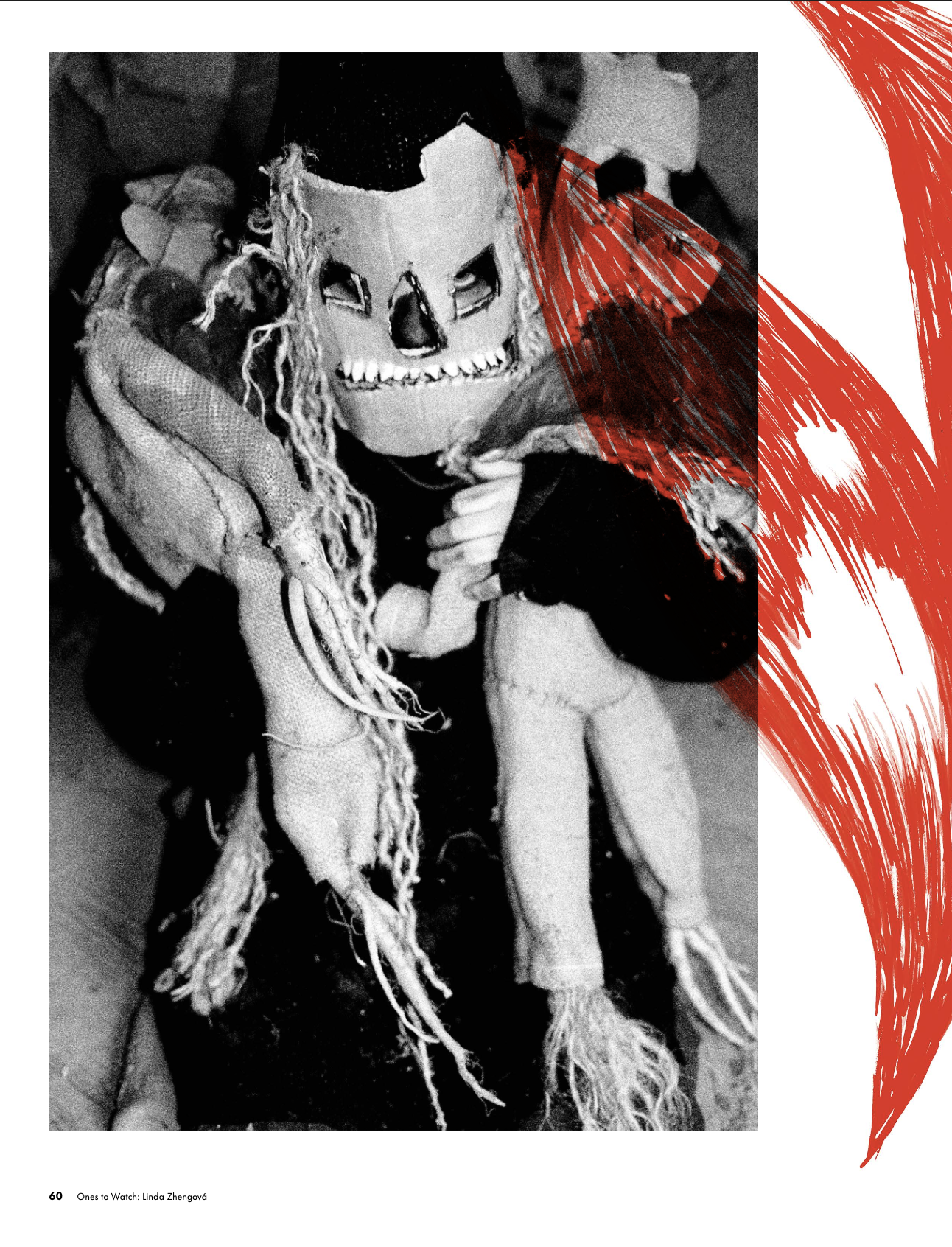
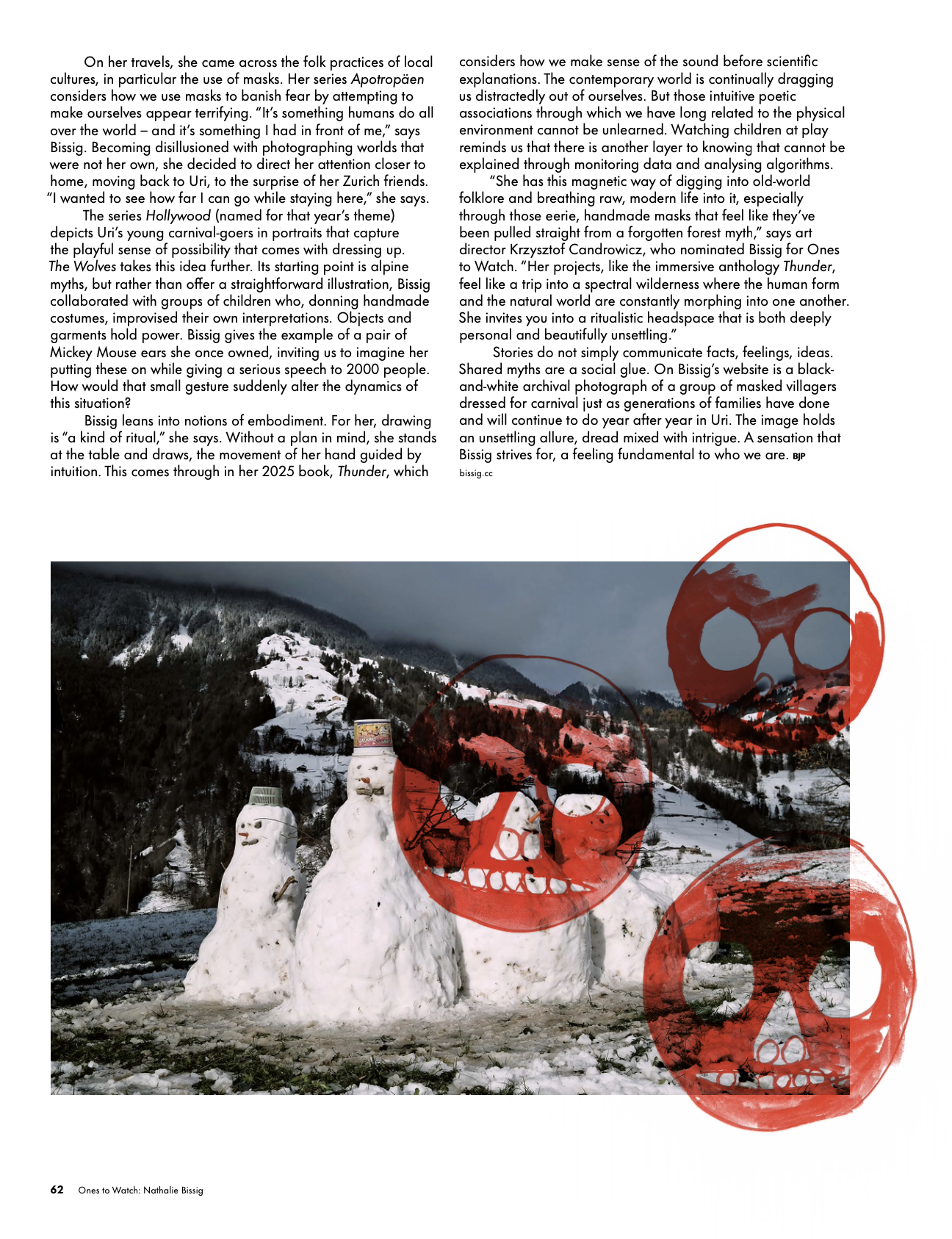
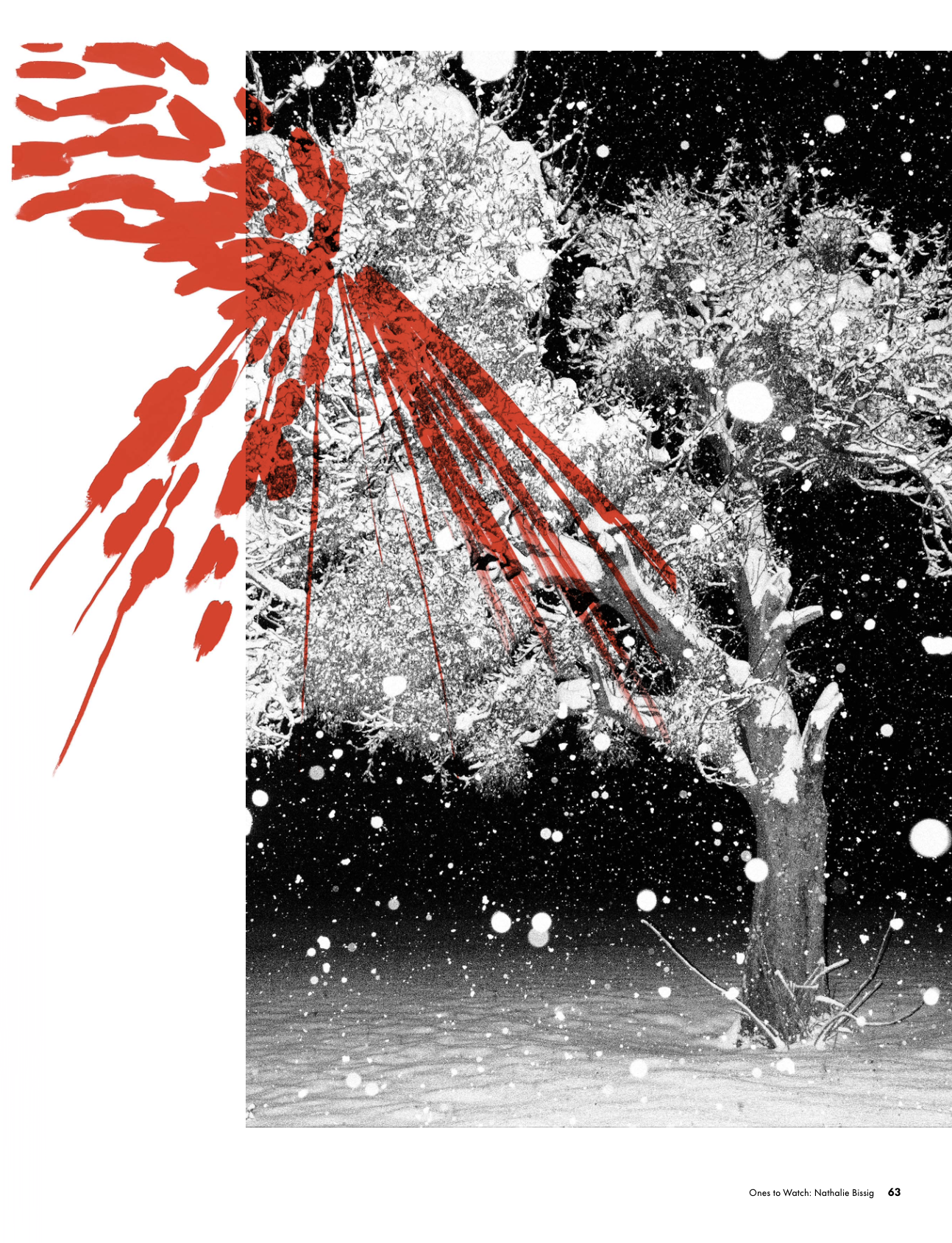
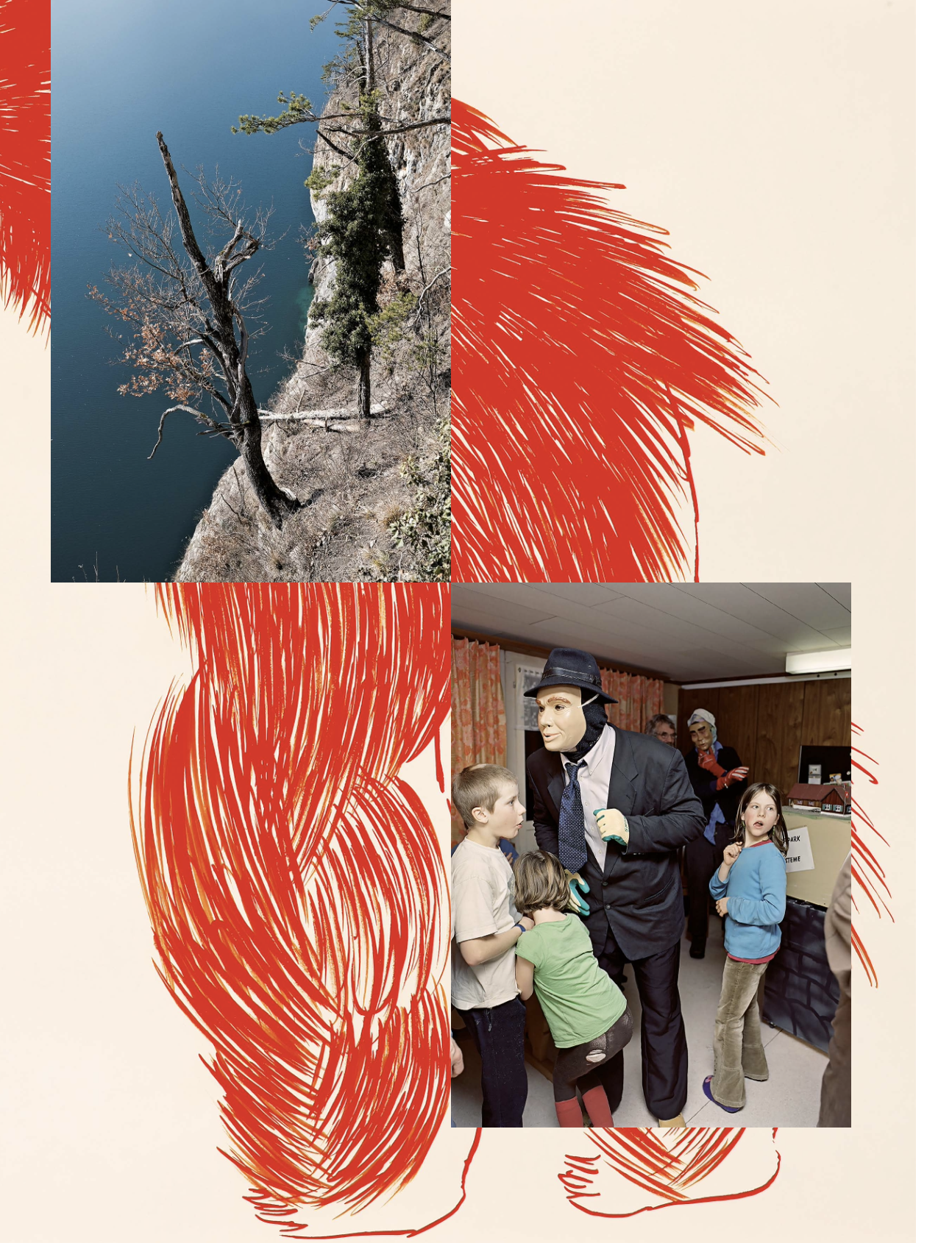
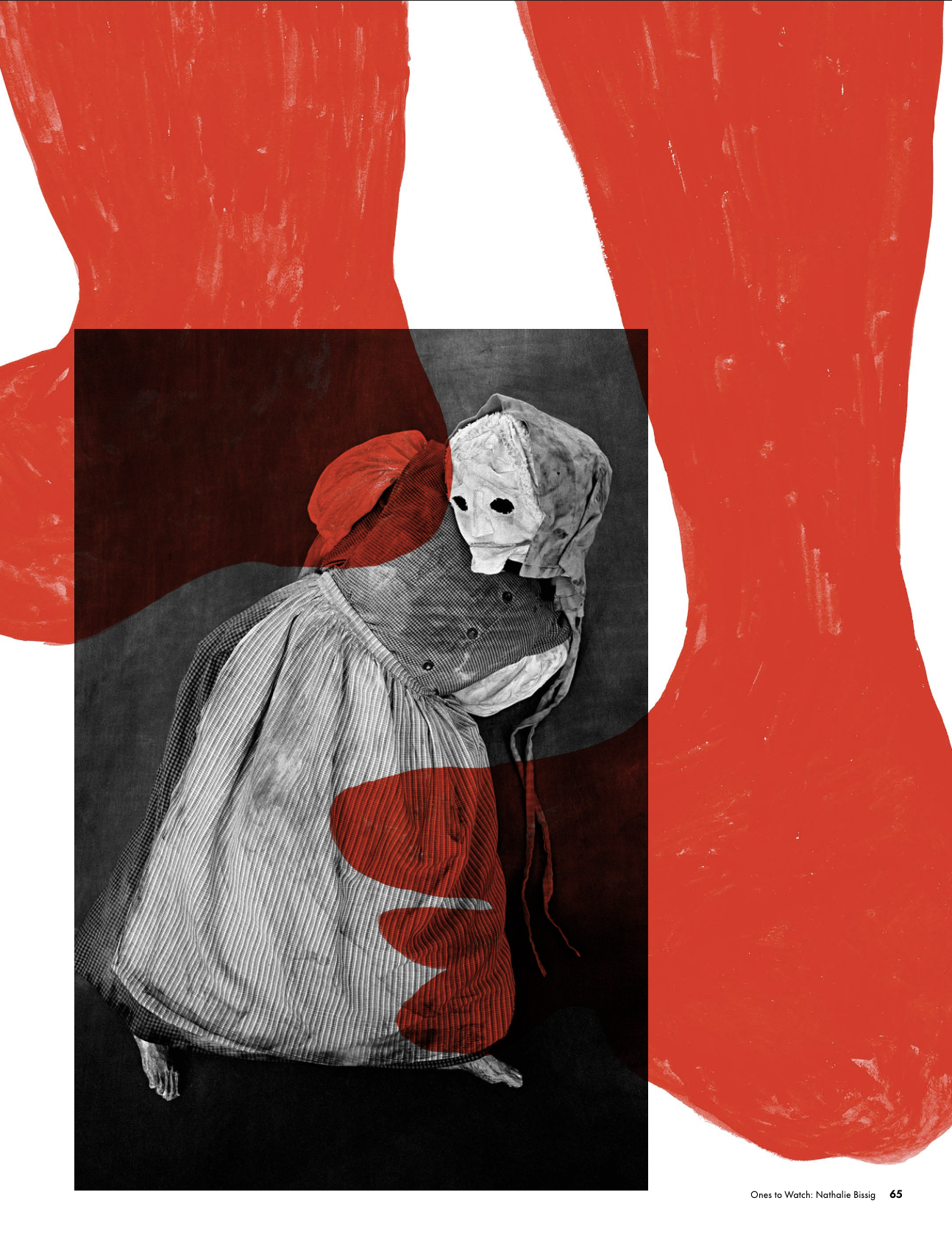
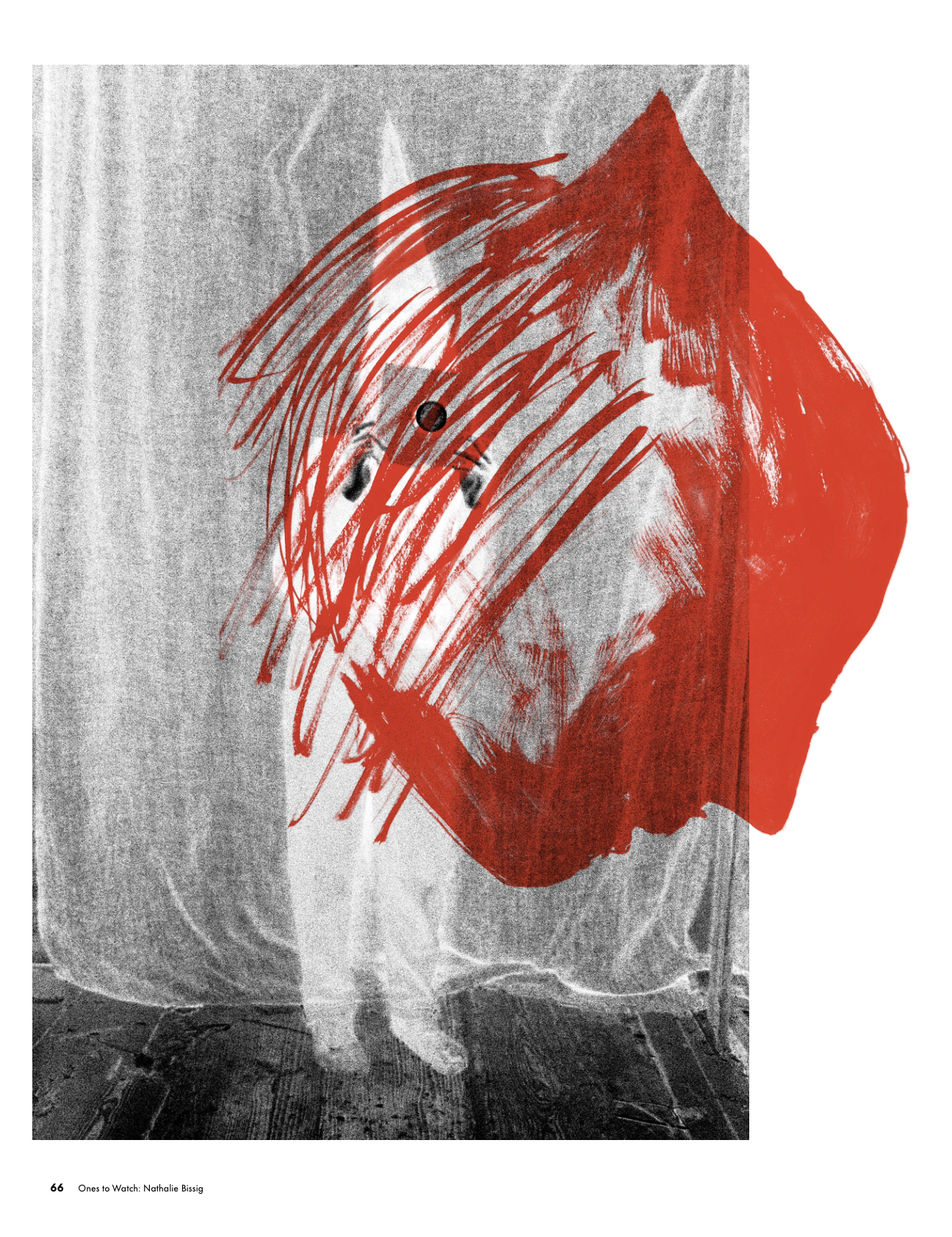
Uri, its landscape and its folk traditions, were profoundly formative for Bissig as an artist but it took her a long time to realise this. “The region is snubbed by Switzerland. It’s seen as provincial, boring, behind.” As a teenager she was desperate to get out and at 15 went to study art in Lausanne, finding herself drawn to photography. Today, Bissig’s work includes textiles and objects, drawing and performance alongside photographic images; a multimedia approach was there from the off. “I love photography but it was always a bit narrow,” she says. After graduating, she was Zurich-based for 20 years, although 10 of these were spent working abroad, doing residencies and commissions in China and Africa. On her travels, she came across the folk practices of local cultures, in particular the use of masks. Her series Apotropäen considers how we use masks to banish fear by attempting to make ourselves appear terrifying. “It’s something humans do all over the world – and it’s something I had in front of me,” says Bissig. Becoming disillusioned with photographing worlds that were not her own, she decided to direct her attention closer to home, moving back to Uri, to the surprise of her Zurich friends. “I wanted to see how far I can go while staying here,” she says. The series Hollywood (named for that year’s theme) depicts Uri’s young carnival-goers in portraits that capture the playful sense of possibility that comes with dressing up.The Wolves takes this idea further. Its starting point is alpine myths, but rather than offer a straightforward illustration, Bissig collaborated with groups of children who, donning handmade costumes, improvised their own interpretations. Objects and garments hold power. Bissig gives the example of a pair of Mickey Mouse ears she once owned, inviting us to imagine her putting these on while giving a serious speech to 2000 people. How would that small gesture suddenly alter the dynamics of this situation? Bissig leans into notions of embodiment. For her, drawing is “a kind of ritual,” she says. Without a plan in mind, she stands at the table and draws, the movement of her hand guided by intuition. This comes through in her 2025 book, Thunder, which considers how we make sense of the sound before scientific explanations. The contemporary world is continually dragging us distractedly out of ourselves. But those intuitive poetic associations through which we have long related to the physical environment cannot be unlearned. Watching children at play reminds us that there is another layer to knowing that cannot be explained through monitoring data and analysing algorithms. “She has this magnetic way of digging into old-world folklore and breathing raw, modern life into it, especially through those eerie, handmade masks that feel like they’ve been pulled straight from a forgotten forest myth,” says art director Krzysztof Candrowicz, who nominated Bissig for Ones to Watch. “Her projects, like the immersive anthology Thunder, feel like a trip into a spectral wilderness where the human form and the natural world are constantly morphing into one another. She invites you into a ritualistic headspace that is both deeply personal and beautifully unsettling.” Stories do not simply communicate facts, feelings, ideas. Shared myths are a social glue. On Bissig’s website is a black- and-white archival photograph of a group of masked villagers dressed for carnival just as generations of families have done and will continue to do year after year in Uri. The image holds an unsettling allure, dread mixed with intrigue. A sensation that Bissig strives for, a feeling fundamental to who we are.